When to Consider Home Care for Seniors
Recognizing the Signs Your Loved One May Need In-Home Support
Knowing when to seek home care can feel overwhelming. This guide explains the key signs a senior may need extra support and how in-home care can keep them safe, comfortable, and independent.

- Family-Owned & Local
- Personalized Care Plans
- Flexible Scheduling
- Compassionate Caregivers
- 24/7 Support
Understanding When Home Care Becomes Necessary
Deciding when a senior needs home care is one of the hardest choices families face. Changes in mobility, memory, safety, or daily functioning can all signal that extra support is needed. In this guide, we outline the most common signs that it may be time to bring in professional in-home care so you can make an informed, confident decision for your loved one.
In This Guide, We’ll Cover:
Difficulty With Daily Activities
Changes in Mobility or Balance
Increased Forgetfulness or Confusion
Decline in Personal Hygiene
Safety Concerns at Home
Caregiver Stress or Burnout
Social Isolation or Withdrawal
Benefits of Starting Care Early
When to Talk to a Home Care Agency
1. Difficulty With Daily Activities (ADLs)
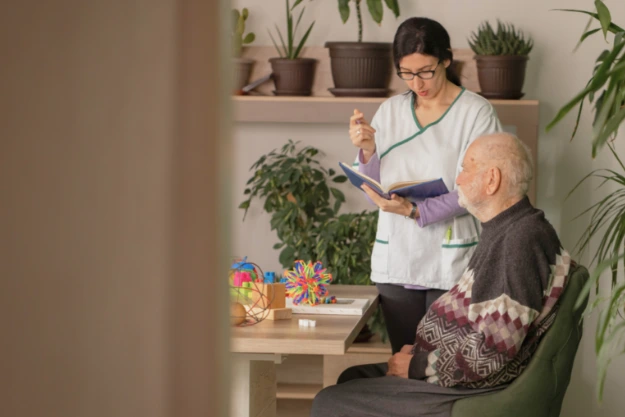
When seniors begin to struggle with tasks such as bathing, dressing, eating, or preparing meals, it’s often a sign that home care is needed. These challenges can increase fall risk and reduce their overall quality of life. A caregiver can provide safe, respectful assistance with daily routines.
2. Changes in Mobility or Balance
Frequent stumbling, trouble standing up, slow walking, or holding onto walls and furniture are early indicators of mobility decline. Home care can reduce fall risks and support safe movement throughout the home.
3. Increased Forgetfulness or Confusion
Memory changes—misplacing items, forgetting appointments, or repeating questions—are common as seniors age, but increased confusion may signal cognitive decline. In-home caregivers can help monitor changes, support daily reminders, and provide structure.
4. Decline in Personal Hygiene
If a loved one is skipping showers, wearing the same clothes for days, or neglecting grooming, it may not be stubbornness—it could be physical limitations or fear of falling. Home care offers gentle assistance that restores comfort and dignity.
5. Safety Concerns at Home
Unpaid bills, spoiled food, clutter, or leaving appliances on can indicate that a senior is no longer able to manage their home safely. A caregiver can help maintain a clean environment and reduce household risks.
6. Caregiver Stress or Burnout
Family caregivers often juggle full-time jobs, children, and personal responsibilities. If you’re feeling overwhelmed, exhausted, or emotionally drained, professional help can ensure your loved one receives consistent support—while protecting your own well-being.
7. Social Isolation or Withdrawal
Loneliness is one of the biggest risk factors for depression in seniors. If your loved one is spending more time alone, losing interest in activities, or becoming withdrawn, a caregiver can provide companionship and engagement.
8. Benefits of Starting Care Early
Many families wait too long before seeking help. Beginning home care early can prevent accidents, improve health outcomes, and give seniors a better quality of life. Even part-time support makes a meaningful difference.
9. When to Talk to a Home Care Agency
If you’re noticing several of these signs—or if your instincts tell you something isn’t right—it’s time to explore your options. A consultation with a trusted home care provider can help you determine the best level of support.
Get Personalized Guidance for Your Loved One
If you’re unsure whether it’s time for home care, we’re here to help.
Monarch Care Co. provides compassionate, professional in-home support tailored to your loved one’s needs.
EXCELLENTTrustindex verifies that the original source of the review is Google. Monarch Care provides outstanding service with genuine compassion and professionalism. The staff is attentive, respectful, and truly dedicated to the well-being of those they serve. Communication is excellent, and every team member goes above and beyond to create a supportive and trustworthy environment. I highly recommend Monarch Care to anyone seeking reliable, high-quality, and compassionate care.Posted onTrustindex verifies that the original source of the review is Google. We used monarch care for my papa who was on hospice. Juana was a wonderful caregiver and Alice was very communicative and addressed anything and everything we needed. We would use them again and highly recommend!Posted onTrustindex verifies that the original source of the review is Google. Maverick and his team are the best!! I needed someone to sit with my stepdad prior to a procedure then get him to it and they were on top of it. Maverick was kind, thorough, and very responsive. My stepdad complains abt everything and even he did not have one bad thing to say! Will definitely use them again in the future.Posted onTrustindex verifies that the original source of the review is Google. Maverick and his team do a great job providing care to seniors or anyone in need of a caregiver. They also offer an AI fall detection service for hours when a caregiver is not with them. Giving you a peace of mind any time!Posted onTrustindex verifies that the original source of the review is Google. There are not many people in the world who you can trust to care for your loved ones the way you do, but I can tell you that Alice is an exception to this by far! I have never known a more compassionate and loving human before Alice. I have known her since we were little girls and her faith and love for people only grows stronger with her life experience. She will care for your loved ones the way you will expect.Posted onTrustindex verifies that the original source of the review is Google. I have known the providers and Caregivers for 8 years, they are reliable and compassionate, excellent communication with family members, prompt responses to needs, professionalism in handling delicate situations and their ability to provide care plans with both the patients and as well as personalized employees who truly satisfy the individual's requirements, making them feel safe and comfortable as if they were at home. The truth is we were impressed with the exhaustive evaluation process that ensured our loved one received the appropriate level of care. MONARCH CARE caregivers are incredibly kind and patient, always going the extra mile to make our loved one feel cared for. They appreciate flexibility in each schedule and the ability to adjust care plans as needed. Sincerely: Dinora HernandezPosted onTrustindex verifies that the original source of the review is Google. Trusting someone to care for our loved ones, can be very worrisome. If you are needing someone to care for your elderly family members, you can trust Monarch Care Co. I have known the owner, Alice Neves, for more than 35 years. She is such a kind, caring and genuine person who will provide top quality care for your loved one. Let Monarch Care Co. help take the stress away for caring for those you love; you will be thankful to have Alice and her staff assisting in you in your time of need.Posted onTrustindex verifies that the original source of the review is Google. I’ve known Alice for some years now. She is a wonderful and caring person and she is very compassion with her clients. I highly recommend this company to care for your love ones.Posted onTrustindex verifies that the original source of the review is Google. I’m very impressed with Monarch Care Company providing specialized in-home care for seniors. Transitioning from one’s home in which they’ve lived for decades is a significant emotional and physical event. If seniors can stay in their home longer, that’s wonderful. Decisions may have to be made later regarding assisted living or other arrangements, but if seniors can stay in their own home where they feel comfortable, that’s a tremendous win! Alice and Monarch Care Company provide the level of assistance allowing seniors to remain in their homes even while they experience limited abilities to care for themselves. Many people do not consider or plan for getting old. Monarch Care Company can provide in-home care which will help seniors remain somewhat independent while planning for the future. I heartily endorse Monarch Care Company.Posted onTrustindex verifies that the original source of the review is Google. I’ve known Alice for many years and her heart for seniors and her staff is unmatched. She’s full of compassion, empathy and love which shows in every case she’s taken on. She’s honest and always believes a caring heart for seniors is something you can’t train it’s something you have to have within. Although training her staff is included in the hand pick hiring process! Compassion and love comes from within. I can vouch that if you choose this Organization with your love one you’re choosing the best!Verified by TrustindexTrustindex verified badge is the Universal Symbol of Trust. Only the greatest companies can get the verified badge who has a review score above 4.5, based on customer reviews over the past 12 months. Read more
Request a Consultation
You May Also Find These Helpful:



-
OUR SERVICES
- Companionship
- Personal Care
- Homemaking
- Dementia Care Support
- Post Surgery & Rehabilitation Care Support
- Fall Prevention and Recovery Support
- Respite Care
- Veterans Care
- Virtual Care Assistant
© 2025 Monarch Care Co. | Serving The Woodlands, Cypress, Tomball, Spring, Conroe, Magnolia, Montgomery, and North Houston | 713-231-5288