
Signs of Loneliness in Seniors and How to Help
Simple Ways to Recognize Emotional Changes and Support Your Loved One
Loneliness affects more seniors than most families realize. AARP reports that one in three adults over 45 feels lonely, and the National Institute on Aging notes that loneliness increases the risk of depression, cognitive decline, and heart disease. Recognizing the signs early can help you support your loved one before their emotional and physical health declines. This guide explains the most common signs of loneliness in seniors and practical ways to help them feel more connected and emotionally secure at home.

- Family-Owned & Local
- Personalized Care Plans
- Flexible Scheduling
- Compassionate Caregivers
- 24/7 Support
Understanding Loneliness in Seniors
Loneliness can show up in emotional, behavioral, and physical ways. With the right awareness, you can catch these signs early and support your loved one with meaningful connection and care.
In This Guide, We’ll Cover:
- Common Signs of Loneliness in Seniors
- Emotional and Behavioral Changes to Watch For
- Physical Changes Linked to Loneliness
- Why Seniors Become Lonely
- How Loneliness Affects Health and Safety
- Practical Ways to Reduce Loneliness
- Activities That Support Connection
- When to Consider Extra Support or Home Care
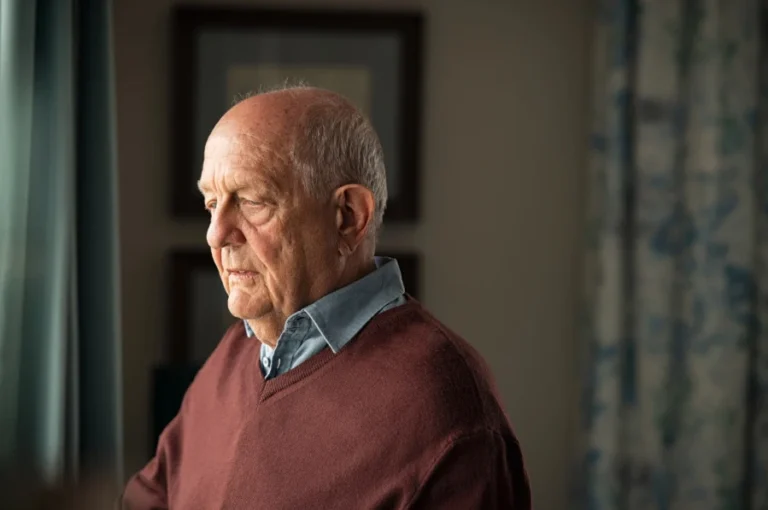
1. Common Signs of Loneliness in Seniors
Loneliness often develops gradually, and the signs can be easy to miss.
Look for:
Withdrawing from conversations
Spending long periods alone
Losing interest in hobbies or social activities
Avoiding phone calls or visits
Expressing feelings of boredom, sadness, or being forgotten
A UCSF study found that 43 percent of older adults regularly experience loneliness, highlighting the importance of paying attention to early indicators.
Source: UCSF.edu
2. Emotional and Behavioral Changes to Watch For
Loneliness can impact a senior’s mood and personality in noticeable ways.
Common changes include:
Irritability or frustration
Increased anxiety
Mood swings
Sadness or apathy
Lower motivation
Heightened agitation or restlessness
These emotional shifts often reflect an unmet need for connection.
3. Physical Changes Linked to Loneliness
Loneliness does not just affect mood; it can show up physically as well.
Look for:
Difficulty sleeping
Changes in appetite
Fatigue or low energy
Increased aches and pains
Declining personal hygiene
A landmark study in Perspectives on Psychological Science found that loneliness increases the risk of premature death by 26 percent, underscoring the serious impact it can have on health.
4. Why Seniors Become Lonely
Common reasons include:
Loss of a spouse or close friends
Reduced mobility
Hearing or vision challenges
Memory loss or dementia
Living alone
Limited transportation
Chronic health issues
Fewer social opportunities
Understanding the cause helps guide meaningful solutions.
5. How Loneliness Affects Health and Safety
Loneliness can significantly impact overall well-being. A major report from NCBI on social isolation and loneliness in older adults found that social isolation is associated with about a 50 percent increased risk of developing dementia.
Additional risks include:
Higher hospitalization rates
Weak immune function
Increased fall risk
Depression and anxiety
Reduced quality of life
Loneliness is a health and safety concern, not just an emotional one.
Source: NCBI
6. Practical Ways to Reduce Loneliness
Simple, consistent efforts can make a big difference.
Try:
Regular visits or check-ins
Phone or video calls
Encouraging outdoor time
Sharing meals
Involving them in family activities
Helping them attend social or faith-based events
Creating a predictable routine
Consistency helps seniors feel anchored and cared for.
7. Activities That Support Connection
Engaging in meaningful activities helps restore purpose and joy.
Great options include:
Listening to music together
Looking at photo albums
Gentle walks
Board games or puzzles
Folding laundry or simple chores
Cooking or baking together
Arts and crafts
Reading or storytelling
Even simple activities can reduce feelings of loneliness.
8. When to Consider Extra Support or Home Care
If loneliness leads to:
Withdrawal
Forgetfulness
Neglected hygiene
Poor nutrition
Emotional distress
Increased confusion
Unsafe situations
…it may be time for additional support.
A caregiver can provide:
Friendly companionship
Conversation and engagement
Help with meals, routines, and mobility
Transportation to activities
Emotional support
A consistent, caring presence
Reliable companionship is one of the most important parts of aging well at home.
Compassionate Companionship and Support for Seniors
You do not have to manage this alone.
At Monarch Care Co, we provide warm, meaningful companionship that helps seniors feel connected, supported, and safe at home.
Our caregivers offer steady emotional support and engagement tailored to your loved one’s needs.
EXCELLENTTrustindex verifies that the original source of the review is Google. Monarch provided care for my wife (dementia) for two days while I had to travel. They were very responsive and the assistants were knowledgeable and caring. They kept me informed of everything that was going on. I am very pleased with Monarch and will use them again.Posted on GoogleTrustindex verifies that the original source of the review is Google. It has been a pleasure working with Monarch, very good communication, personal training, schedule adjustments. Would use in the future. MikePosted on GoogleTrustindex verifies that the original source of the review is Google. Juana had been excellent in her assistance in helping Dale in all respects that has helped.Posted on GoogleTrustindex verifies that the original source of the review is Google. We have absolutely been happy with the services. Most importantly is our loved one looks forward to her visits. Reporting and feedback are great!Posted on GoogleTrustindex verifies that the original source of the review is Google. Monarch Care provides outstanding service with genuine compassion and professionalism. The staff is attentive, respectful, and truly dedicated to the well-being of those they serve. Communication is excellent, and every team member goes above and beyond to create a supportive and trustworthy environment. I highly recommend Monarch Care to anyone seeking reliable, high-quality, and compassionate care.Posted on GoogleTrustindex verifies that the original source of the review is Google. We used monarch care for my papa who was on hospice. Juana was a wonderful caregiver and Alice was very communicative and addressed anything and everything we needed. We would use them again and highly recommend!Posted on GoogleTrustindex verifies that the original source of the review is Google. Maverick and his team are the best!! I needed someone to sit with my stepdad prior to a procedure then get him to it and they were on top of it. Maverick was kind, thorough, and very responsive. My stepdad complains abt everything and even he did not have one bad thing to say! Will definitely use them again in the future.Posted on GoogleTrustindex verifies that the original source of the review is Google. Maverick and his team do a great job providing care to seniors or anyone in need of a caregiver. They also offer an AI fall detection service for hours when a caregiver is not with them. Giving you a peace of mind any time!Posted on GoogleTrustindex verifies that the original source of the review is Google. There are not many people in the world who you can trust to care for your loved ones the way you do, but I can tell you that Alice is an exception to this by far! I have never known a more compassionate and loving human before Alice. I have known her since we were little girls and her faith and love for people only grows stronger with her life experience. She will care for your loved ones the way you will expect.Posted on GoogleTrustindex verifies that the original source of the review is Google. I have known the providers and Caregivers for 8 years, they are reliable and compassionate, excellent communication with family members, prompt responses to needs, professionalism in handling delicate situations and their ability to provide care plans with both the patients and as well as personalized employees who truly satisfy the individual's requirements, making them feel safe and comfortable as if they were at home. The truth is we were impressed with the exhaustive evaluation process that ensured our loved one received the appropriate level of care. MONARCH CARE caregivers are incredibly kind and patient, always going the extra mile to make our loved one feel cared for. They appreciate flexibility in each schedule and the ability to adjust care plans as needed. Sincerely: Dinora HernandezVerified by TrustindexTrustindex verified badge is the Universal Symbol of Trust. Only the greatest companies can get the verified badge who has a review score above 4.5, based on customer reviews over the past 12 months. Read more
Request a Consultation
You May Also Find These Helpful



-
OUR SERVICES
- Companionship
- Personal Care
- Homemaking
- Dementia Care Support
- Post Surgery & Rehabilitation Care Support
- Fall Prevention and Recovery Support
- Respite Care
- Veterans Care
- Virtual Care Assistant
© 2025 Monarch Care Co. | Serving The Woodlands, Cypress, Tomball, Spring, Conroe, Magnolia, Montgomery, and North Houston | 713-231-5288